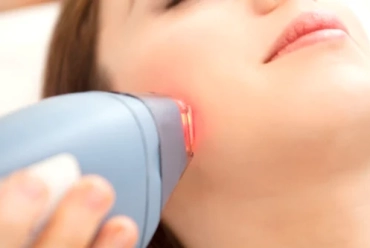

Low-level Laser Light Treatment (LLLT), also known as low-level laser therapy or cold laser therapy, is a non-invasive procedure that uses low-intensity lasers or light-emitting diodes (LEDs) to stimulate cellular function and promote healing in various tissues of the body.
LLLT has been used in medical and aesthetic fields for different purposes, including hair growth stimulation, pain management, wound healing, and skin rejuvenation. When applied to the skin, the low-level laser or LED light energy penetrates the tissue and interacts with the cells. This interaction triggers a series of physiological responses at the cellular level, such as increased production of adenosine triphosphate (ATP), improved blood circulation, and modulation of inflammatory processes.
In the context of skin rejuvenation, LLLT can have several potential benefits, including:
- Collagen Production: The light energy stimulates fibroblast cells, which are responsible for producing collagen and elastin fibers in the skin. Increased collagen production can improve skin elasticity and firmness, reducing the appearance of fine lines and wrinkles.
- Enhanced Circulation: LLLT can help improve blood circulation in the treated area, promoting oxygen and nutrient delivery to the skin cells. This can result in improved skin tone, texture, and overall complexion.
- Wound Healing: LLLT has been shown to accelerate the healing process of wounds, including surgical incisions, burns, and ulcers. It can promote tissue repair, reduce inflammation, and minimize scar formation.
- Reduction of Inflammatory Conditions: LLLT has anti-inflammatory effects and can be beneficial for conditions such as acne, rosacea, and dermatitis. It may help reduce redness, swelling, and discomfort associated with these conditions.
It’s important to note that the effectiveness of LLLT can vary depending on the specific parameters used, including the wavelength, power density, treatment duration, and frequency of sessions. The treatment is generally considered safe, but it’s recommended to undergo LLLT under the guidance of a trained healthcare professional or aesthetician who can determine the appropriate settings for your specific needs.
If you are interested in LLLT for a particular skin concern, it’s best to consult with a skincare professional or dermatologist who can evaluate your condition and provide personalized recommendations based on your unique circumstances.